
So, are presale tickets more expensive?
Sometimes yes, often no. Presale tickets are not automatically priced higher than regular tickets. They can be cheaper, the same price, or more expensive depending on the ticket tier, checkout fees, demand, and whether the presale includes extras like early entry, merch, or meet-and-greets.
In practice, that’s what confuses buyers: the word “presale” describes when access opens, not a guaranteed price rule. This guide breaks down how to tell the difference between a true early-bird deal, a standard early-access release, and a premium presale package.
The Quick Answer for Busy Event Hosts
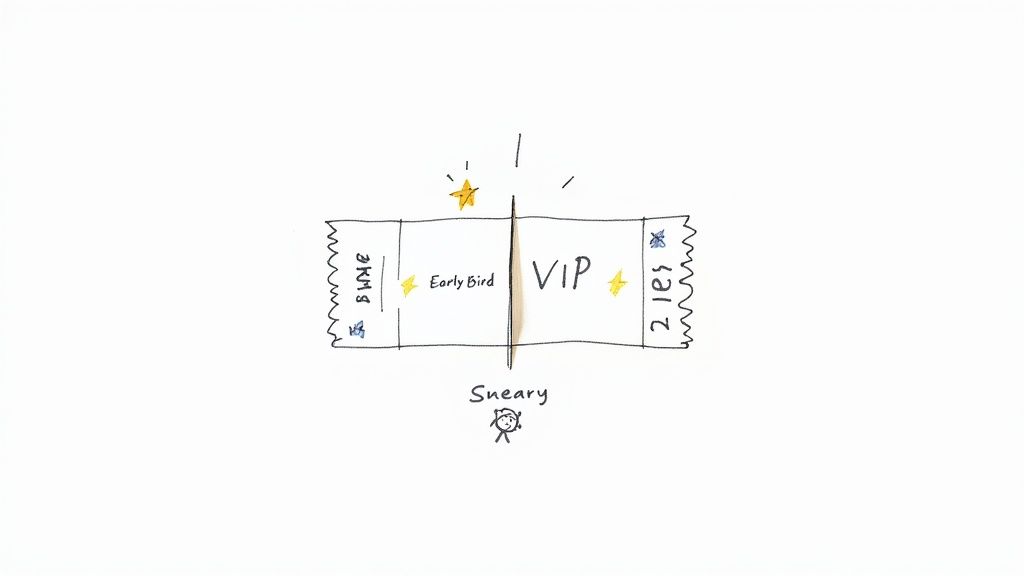
The quick answer is that presale tickets are not automatically more expensive, but they usually fall into one of three buckets:
| Presale Setup | What the Buyer Gets | Typical Price vs General Sale | When It Makes Sense |
|----------------------------|----------------------------------------------|-------------------------------|---------------------|
| Discounted Early Bird | Same event access, bought earlier | Cheaper | Small events, workshops, festivals, and launches that need early momentum |
| Standard-price Early Access | Same seat or admission pool, just earlier access | Usually the same | Concerts and high-demand events where the reward is access, not savings |
| Premium/VIP Presale | Better seats, bundles, merch, early entry, fan perks | More expensive | Artist packages, fan-club offers, and premium inventory |
If you're setting prices, the key question is not “Should presale be higher or lower?” It’s “What exactly is changing for the buyer?” Observing how creators and venues run launches shows the cleanest pricing makes one thing obvious: either the customer is saving money, getting earlier access, or buying more value.
For concerts, presale and general sale are often priced at the same face value. A practical breakdown from RadioTimes noted that major-tour presale tickets are typically the same price as general-sale tickets; the advantage is getting in earlier before better inventory disappears. That means concert tickets are not usually more expensive because they are presale tickets. They just become more expensive when the remaining inventory is worse, the event uses premium tiers, or buyers end up on resale.
Artist presales work the same way unless the artist is offering a special package. A normal artist presale may release standard seats a day or two earlier for newsletter subscribers or fan-club members. But an artist presale can cost more when it includes premium seating, exclusive merch, lounge access, or fan-club-style bundles. With small events that distinction gets missed all the time: buyers compare a bundled presale package to a basic later ticket and assume presale itself caused the markup.
Bottom line: prices do not automatically rise after presale. Very often, presale just gives earlier access to the same base inventory. What changes later is availability, seat quality, dynamic pricing behavior, fees, or the need to buy on resale.
And hey, if you're still wrapping your head around the whole idea, we have a helpful guide that explains exactly what pre-sale tickets mean for independent creators.
Ticketing is just one piece of the puzzle. Using a detailed corporate event planning checklist can help you see the bigger picture and make sure your presale strategy fits your overall plan.
How We Evaluated Presale Ticket Pricing Scenarios
A simple comparison framework can determine whether a presale is cheaper, equal, or more expensive, rather than relying on the label alone.
First, we compare face value to final checkout total. A ticket can have the same listed price in presale and general sale, then look more expensive once service charges, facility fees, delivery fees, or add-ons appear at checkout. That matters because buyers experience the total, not just the advertised number.
Second, we compare like-for-like inventory. A front-section VIP seat during presale is not a fair price comparison against a standard rear-section ticket released later. Same event does not always mean same product.
Third, we look at included perks. If a presale ticket includes early entry, merchandise, reserved seating, or a post-show Q&A, it may cost more without being overpriced. In practice, the useful question is whether the buyer is paying more for the same thing, or more for a bigger bundle.
Fourth, we account for demand level and pricing model. Fixed pricing behaves differently from dynamic pricing. On some major ticketing setups, high demand can push premium inventory upward in real time, while smaller creator-led events usually stay on a fixed structure.
A presale comparison is invalid if the seats, bundles, fee structure, or inventory pool are materially different. That’s why blanket claims about presale being cheaper or more expensive are unreliable. You have to compare total cost, seat quality, perks, and timing together.
Why Presale Prices Seem So Random
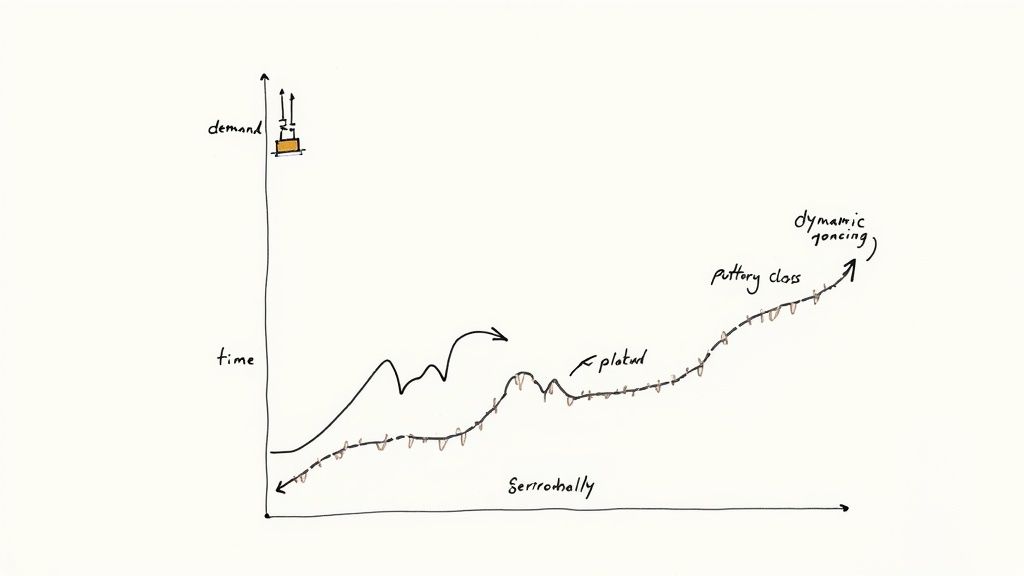
Presale pricing looks random because several moving parts get bundled into one number. Once you separate them, the pattern is much easier to read. It also helps to understand the broader types of ticketing because presale behavior makes a lot more sense when you compare early-bird pricing, standard admission, VIP bundles, and premium inventory side by side.
The main drivers behind presale pricing
Artist demand and event size are the biggest drivers. A stadium tour with massive demand behaves very differently from a 60-person workshop or creator meetup. On high-demand shows, the value of early access itself is huge because good inventory disappears fast. On smaller events, presale is more often used to reward early buyers with a discount.
Venue size and capacity matter too. A 200-seat room creates sharper scarcity than a flexible outdoor venue with room to expand. If inventory is tight, organizers may reserve premium sections for earlier windows or package them with extras.
Ticket tier mix changes the answer fast. A presale can include floor seats, premium rows, or VIP bundles first, while general sale opens with a broader mix. If a buyer only sees the expensive tiers during presale, it can feel like presale is overpriced even when standard seats arrive later.
Fees are another big source of confusion. Face value might stay identical while the final total changes because of service charges or platform fees. From a buyer’s perspective, a $79 ticket that becomes $101 at checkout absolutely feels more expensive, even if the listed seat price never changed.
Dynamic pricing can make major concert onsales especially messy. Ticketmaster explains that with Market-Based Pricing, some tickets can adjust based on demand, similar to airfare or hotel pricing. That doesn’t mean every presale is dynamic, but it does explain why one buyer sees a standard-looking seat at one price and another sees a higher total minutes later.
Inventory scarcity also pushes perception. If the best blocks are released to fan clubs or artist lists first, general buyers may later compare weaker seats at a similar price and conclude the earlier tickets were a better deal. Sometimes they were. Sometimes they were just earlier.
Bundled extras can legitimately increase price. Early entry, hospitality, signed merch, lounge access, or a meet-and-greet all add real or perceived value. That’s not the same as saying all presales cost more.
Two examples that show why outcomes differ
Take a large concert. A pop tour might open with a fan presale where standard lower-bowl seats are $129 both before and during general sale, while a premium package with early entry and merch is $249. The base ticket is not more expensive in presale; the premium package is. If demand spikes, some premium inventory may rise or sell out first, which makes later comparisons feel inconsistent.
Now compare that with a small creator event, like a pottery workshop or niche business bootcamp. The host may release 20 early-bird spots at $40, then raise the standard ticket to $50 once those sell out. TicketSpice’s overview of presale tickets notes that discounted presale tiers are commonly used as early-bird incentives. In our review, this is the most common reason people say presale was cheaper: they were looking at a true early-bird model, not a concert-style early-access window.
Why buyers often think presale is more expensive
A lot of buyers compare the wrong things. They compare a bundled artist presale to a plain later ticket, or they look at checkout totals instead of face value. They may also see only premium inventory during the first window and assume that all presale tickets carry a markup.
For high-demand events, the biggest money difference often shows up after both presale and general sale, when buyers are pushed toward resale. SeatGeek’s explainer on concert presales points out that early access can help fans avoid the steepest resale premiums on hard-to-get shows. So even when presale is not cheaper on paper, it can still be the lower-cost path in practice.
People’s feelings about a purchase are heavily influenced by a whole host of psychological pricing strategies, whether they realize it or not.
A presale isn’t just a transaction. It's the first chapter of your event's story. It sets expectations and builds a relationship with your earliest supporters.
You don’t need a complicated system to pull this off. You just need a page that looks like your brand and handles payments securely. With a flat-fee platform, you can set these prices knowing a hidden percentage won’t eat into your earnings. This puts you in the driver's seat.
When Presale Tickets Are Cheaper, More Expensive, or Riskier
Here’s the practical version.
Cheaper
Presale is cheaper when the organizer is running a real early-bird or loyalty discount. That usually means the buyer gets the same event access for less money in exchange for committing early. This is common for workshops, classes, indie festivals, and creator-led events where early cash flow and attendance validation matter more than maximizing each ticket.
The same price
Presale is often the same price as general sale when the event is using presale as an access tool, not a discount. This is especially common for concerts. The buyer gets first crack at inventory, but the standard ticket face value remains unchanged.
More expensive
Presale is more expensive when the first inventory released is premium by design. That can mean VIP sections, artist bundles, fan-club packages, preferred seating, or dynamically priced premium tickets. In those cases, the higher price reflects a different product, not just earlier timing.
Riskier
Presale can be riskier for buyers when seat maps are vague, benefits are poorly explained, refund terms are unclear, or the event later releases better-value standard tickets. For hosts, presale is risky when the discount is too deep, the window runs too long, or the offer is confusing enough that buyers can’t tell why they should act now.
My rule of thumb is to compare four things before calling a presale good or bad value: total checkout price, seat or tier quality, what’s included, and what the same event costs later for an equivalent ticket.
Selling Cheaper Tickets with the Early Bird Strategy
When you hear "presale," the classic Early Bird strategy probably comes to mind. And for good reason—it works, especially for small creators. It's a simple way to reward your most enthusiastic fans with a limited-time discount.
But it’s not just about giving people a deal. The Early Bird strategy does two critical things for you. First, it puts cash in your pocket right away. That's a lifesaver for paying deposits. Second, those first few sales are the ultimate validation. Getting those first ten people to commit proves your idea has legs.
This isn’t just about slashing prices. It’s a strategic move to build momentum from day one.
How Much Should You Discount?
The sweet spot for an early bird discount is usually between 10% and 20%. The key is to make it feel like a real incentive. Shaving two dollars off a $50 ticket isn't going to convince anyone. But offering that same ticket for $40? Now you’ve created a genuine reason for them to buy now.
Put yourself in your attendee's shoes:
- A $100 workshop ticket for $85? That feels like a savvy buy.
- A $40 pop-up dinner ticket for $35? The savings feel meaningful.
- A $25 class for $24? The difference is negligible, so many customers may skip it.
The goal of an early bird sale isn't to be the cheapest. It's to reward decisiveness. You're giving your biggest fans a tangible thank-you for believing in your event from day one.
A ticketing platform that charges a flat fee per ticket is a huge advantage. When you are not worried about a percentage skimmed off the top, you have more freedom to set a discount that truly benefits your attendees without gutting your own profits.
How Long Should the Sale Last?
Urgency is your best friend. A presale that drags on for weeks just becomes background noise. People see it, think, "I'll get to that later," and then promptly forget. You have to create a little healthy FOMO.
For most small-scale events, a presale window of three to seven days is perfect. It's long enough for people to see your announcement, but short enough to create a sense that the opportunity is slipping away.
Here’s a simple timeline you can steal:
- Monday Morning: Announce the event and kick off your 72-hour early bird presale.
- Tuesday Evening: Send a reminder: "Only 24 hours left to grab the early bird price!"
- Wednesday Morning: Send one final "last call" email a few hours before the sale ends.
This approach creates a clear, focused narrative. You’re not just selling a ticket. You're creating a mini-event before the main event even begins.
Selling Pricier Tickets with the VIP Strategy
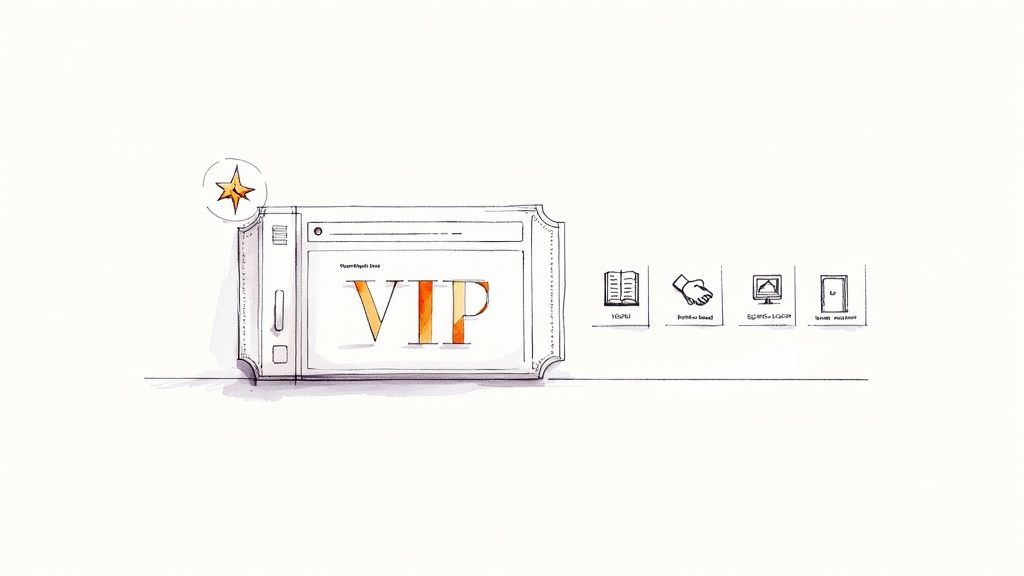
Sometimes, the smartest move is to sell your presale tickets for more money, not less. That sounds backward until you separate a standard presale from a premium one.
This is the VIP strategy. It works by bundling your standard ticket with something extra that your core audience will love. You’re not just selling a ticket anymore. You're selling an upgrade.
This approach flips the usual script. Instead of offering a discount for buying early, you're offering more value for a higher price. It transforms your presale from a simple deal into an exclusive offer.
What Makes a Good VIP Offer?
A great VIP package isn’t just some random add-on. It has to feel special and be directly connected to your event. People will gladly pay a premium when they see a clear benefit they can’t get anywhere else. The goal is to make them feel like insiders, not just attendees.
Think about what you, as a creator, can offer that no one else can:
- For a pop-up chef: A presale VIP ticket could include a recipe booklet of the night's dishes and a small jar of your signature spice blend.
- For a workshop host: Offer a 30-minute private coaching session after the main event or an exclusive digital toolkit with all your templates.
- For a local musician: Bundle the ticket with early entry to watch the soundcheck and a signed poster.
See? These aren't complicated things to organize. You're just packaging your existing skills into a higher-tier offer for the people who appreciate it most.
When presale really is more expensive
There are a few cases where buyers are right to notice a higher presale price.
The first is premium inventory released first. Some events make better rows, lounge access, or preferred sections available in presale before standard inventory opens up. The second is fan-club or artist bundles, where the package may include merch, collectibles, early entry, or exclusive access. The third is package inclusions like parking, hospitality, signed items, or post-show experiences. And the fourth is high-demand dynamic pricing, where premium tickets can move upward as demand surges.
That said, ordinary artist presales often do not mark up the base ticket. They just let a fan list or code-holding audience buy the same standard seat pool earlier. In practice, that means a buyer should not assume every artist presale is overpriced just because it opens first.
Pricing Your Premium Presale
So, how much more should a VIP ticket cost? The key is to price the value of the bundle, not just the ticket. Add up the perceived value of each component. If your workshop ticket is $100 and a private 30-minute session is worth $75, a VIP price of $150 feels like a fantastic deal.
If you want a second reference point while building premium tiers, it can help to look at broader venue and event pricing guidance from PlanSeats alongside your own margins and audience expectations.
The smartest check is simple: compare seat location, fees, and included benefits before deciding the presale is overpriced. A $180 presale seat with early entry and merch may be a fairer value than a $140 standard ticket with worse placement and added checkout fees. From what we see with creator-led events, confusion usually comes from unclear packaging, not from the premium itself.
Your biggest fans aren't just looking for a deal. They're looking for a deeper connection to you and your work. A VIP presale gives them exactly that.
By focusing on value, you can confidently answer the question "are presale tickets more expensive?" with a more precise answer: sometimes, yes—but usually because the presale ticket is a different product with better perks or access.
Setting Up Your First Presale in Under Ten Minutes
Alright, enough theory. Let's get your presale live.
The good news? You don’t need a complicated system or a developer. All you really need is a simple way to create a page, take payments securely, and get your money fast.
This whole process should take less time than brewing coffee. The goal is to get from idea to selling tickets, right now.
One Page to Rule Them All
First, forget building a whole website. All you need is one clean, simple page that gets the job done. A good ticketing tool lets you set this up in minutes, no code needed.
The most important part is making it look like you. Custom branding is key. When people land on the page, it should feel like an extension of your brand—your logo, your colors, your voice. It builds trust instantly.
The Three-Step Launch Process
Ready? Let’s break it down into three steps. This is the exact process you can follow to launch your presale, whether it’s for an event of five people or 5,000.
- Choose Your Ticket Type: Decide if you're running an "Early Bird" or "VIP" presale. Create a new ticket type with a clear name (e.g., "Early Bird Special" or "VIP Package"). Set your price and the number of tickets available at that tier.
- Set Your Time Limit: Urgency is your best friend. Set the presale to automatically end on a specific date and time. This creates a natural deadline and encourages people to act instead of waiting. Most platforms let you schedule this with just a few clicks.
- Announce It to Your People: Once your page is live, it’s time to tell your audience. Draft a simple, direct email or social media post. Don't overthink it. Just be clear about what they get and why they should buy now.
Pro Tip: Your announcement email can be dead simple. Try this: "Hey! Tickets for my [Event Name] are now live. For the next 72 hours, my earliest supporters can grab one for just $[Presale Price]. There are only [Number] available at this price. Get yours here: [Link to your page]."
This straightforward approach respects your audience's time and clearly communicates the value. And because you’re using a platform with flat-fee pricing, you can confidently set your presale price knowing hidden percentage fees won’t take a surprise cut.
For more options, the best way to sell tickets online breaks down the tools that help small creators and shows how to make the process painless so you can focus on your event.
Common Mistakes to Avoid with Presale Pricing
Setting up a presale is easy. But a few classic slip-ups can turn your exciting launch into a quiet fizzle. Don't worry, these are all easy to sidestep.
Think of this as your pre-flight check before you hit "publish." We've watched countless creators pour their hearts into events, and these are the most common own-goals we see.
Mistake 1: The 'Is This Even a Deal?' Discount
The first pitfall is getting the discount wrong. A 5% discount on a $30 ticket is just… sad. It’s not enough to make anyone feel special or rush to buy. You’ve created all the work of a presale with none of the urgency.
On the flip side, a massive 50% discount can devalue your event. People might wonder if the full price is inflated or if you’re not confident it will sell out.
The Fix: Stick to the 10% to 20% range. This is the sweet spot. It feels like a genuine reward for your early supporters without cheapening your brand.
Mistake 2: The Never-Ending Presale
Another common tripwire is failing to create urgency. A presale that lasts for two weeks isn't a special event; it's just the price. People will see it, think "I'll get to that later," and then completely forget.
Urgency is that gentle nudge that turns a "maybe" into a "yes, right now."
Your presale is a limited-time offer, not a permanent negotiation. The goal is to reward decisiveness, not to give everyone a discount forever.
The Fix: Keep your presale window short. For most small workshops or pop-ups, three to seven days is perfect. It’s long enough for people to see the announcement but short enough to make them act.
Mistake 3: The Mystery Presale
Finally, don’t forget to tell people why the presale exists. Dropping a link with a different price is confusing. Are you thanking your newsletter subscribers? Rewarding your earliest fans? Be explicit.
Clear communication turns a transaction into a moment of connection. It makes your early buyers feel like they're part of an inner circle.
The Fix: Frame your announcement with a clear "why."
- Good: "To thank my amazing subscribers, I'm offering a special 24-hour presale price before tickets go live to everyone else."
- Bad: "Tickets are on sale."
Getting these details right is simple, but it makes a world of difference. You're not just selling tickets; you’re building a community from the very first click.
Still Have Questions About Presales?
Is it cheaper to get tickets during presale?
Sometimes, but not by default. Presale is cheaper when the organizer uses an early-bird or loyalty discount; otherwise, the ticket is often the same face value as general sale and just available earlier. For high-demand events, presale can still save money indirectly by helping buyers avoid resale markups later.
What is the difference between presale tickets and normal tickets?
Usually, timing and access. A presale ticket may be the exact same ticket sold earlier to a smaller group, or it may be part of a premium package with better seats or added perks. The word “presale” does not automatically mean better seats, lower prices, or different admission rules.
What are the risks of buying in a presale?
The main risks are overpaying for a bundle you don’t want, misunderstanding seat quality, or assuming early access always means a deal. I’d also watch for unclear fees and vague package descriptions, because those are the fastest ways a presale total becomes surprising at checkout.
Do ticket prices increase after presale?
Not always. Sometimes the same standard ticket price continues into general sale, but the main change is that the best inventory is gone. Prices are more likely to rise later when an event uses dynamic pricing, when cheaper early-bird tiers sell out, or when buyers are forced onto resale marketplaces.
| Strategy | Goal | Best For |
|---|---|---|
| Early Bird Discount | Secure initial sales, gauge interest, and reward loyal fans. | Events needing to cover upfront costs or build momentum quickly. |
| VIP Experience | Increase revenue per ticket and offer a premium option for superfans. | Events where you can offer exclusive perks like merch, meet-and-greets, or better access. |